
As part of The Pixel Project’s Read For Pixels campaign, we interview authors and poets from genres as diverse as Science Fiction and Fantasy to Romance to Horror about why they support the movement to end violence against women and girls.
For Domestic Violence Awareness Month 2026, we present an interview with Read For Pixels poet Renee Cronley who contributed her original poem There’s No Place Like Home to our 1st charity poetry collection, UNDER HER EYE. Renee Cronley is a writer from Manitoba that stepped away from nursing to prioritize her children and has been channelling her knowledge and experiences into a poetry book about nursing burnout. Renee can be found at https://www.reneecronley.com/.
Inspired to support The Pixel Project’s anti-violence against women work? Make a donation to us today OR give to our Read For Pixels FALL 2026 fundraiser to help us reach our $5,000 goal this October OR buy our 1st poetry collection, UNDER HER EYE, that is published in partnership with Black Spot Books. All donations and net proceeds from book sales go towards supporting our campaigns, programmes, and initiatives.
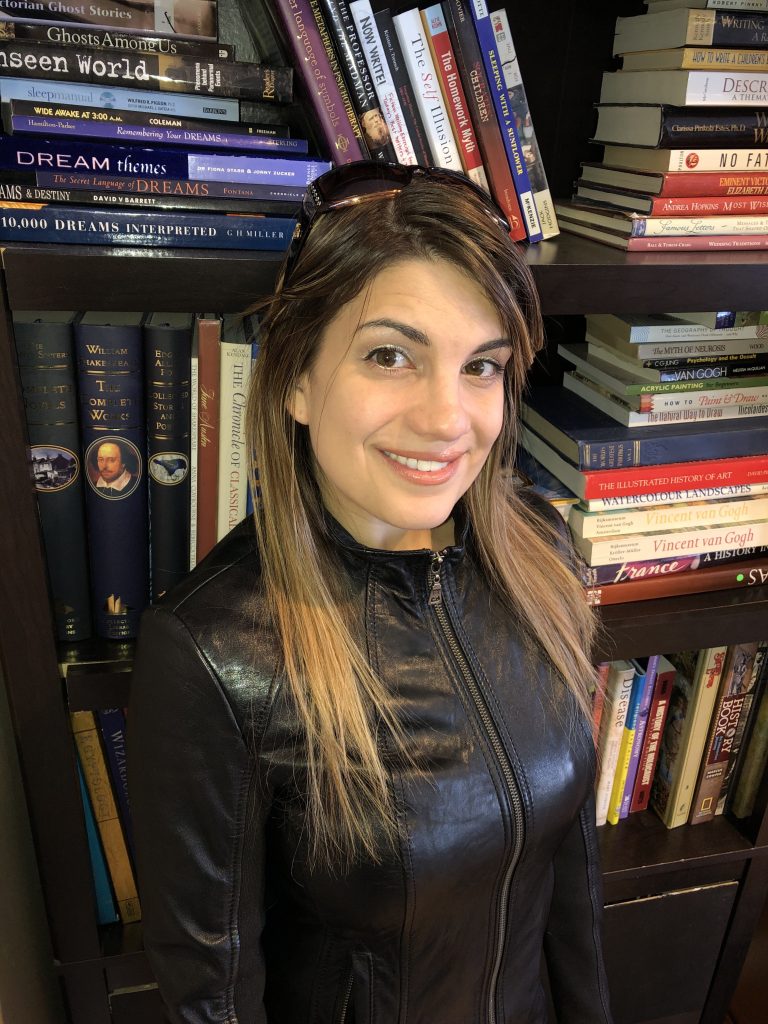
1. Why is ending violence against women important to you and why did you decide to support The Pixel Project by contributing your poem ‘There’s No Place Like Home’ to UNDER HER EYE which is The Pixel Project’s first charity poetry collection published in partnership with Black Spot Books?
Violence against women is an unnecessary evil that is painfully common. It is so deeply ingrained in our society that women learn to adapt to fear before they understand what it means to feel safe. I don’t know any woman who hasn’t experienced some form of violence or abuse, and so it is a recurring theme in my writing. Over the years, I have had several pieces on this topic published. I love Black Spot Books, and I was thrilled to see them partner with an organisation like The Pixel Project to raise awareness on an issue I am so passionate about.
2. What do you think poets can do to help with the cultural change needed to stop violence against women and girls?
They can keep writing and sharing their work. Violence against women wears many faces, many of which we have all seen before. But poetry has the power to expose the hidden ugliness behind those features that society has normalised. A few simple yet potent verses can cut through the clinical jargon that people’s minds tend to gloss over and highlight an issue in a way that compels a new perspective. Poetry is an art. And throughout history, art has repeatedly demonstrated its ability to ignite movements for change.
3. Any final thoughts about why everyone should support stopping violence against women?
Violence against women has an insidious ripple effect that affects more than just the woman experiencing it. When children grow up with violence at home, they often face physical abuse too. And the data shows that experiencing domestic violence, either as a witness or a victim, increases their likelihood of suffering from long-term physical and mental health issues. Not to mention significantly raising their chances of being violent in their future relationships. It is a damaging cycle. Safe women build safe families. When families are secure and thriving, they build stronger, healthier communities, and this, in turn, fosters a more peaceful world.
Listen to Renee read There’s No Place Like Home here: