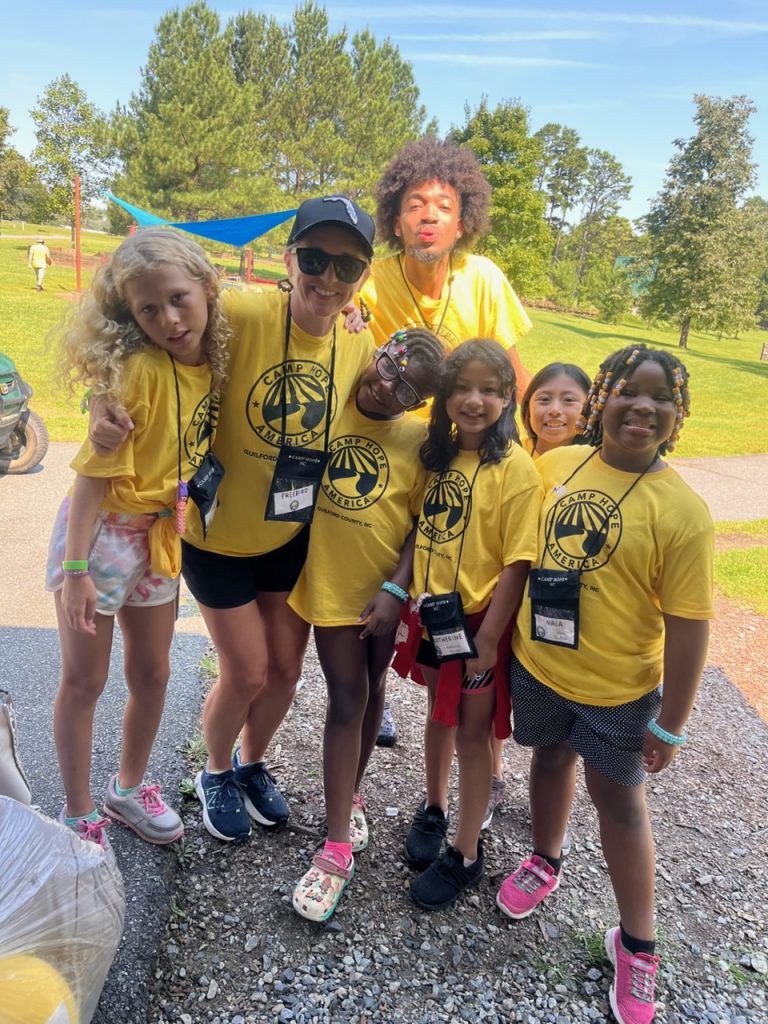
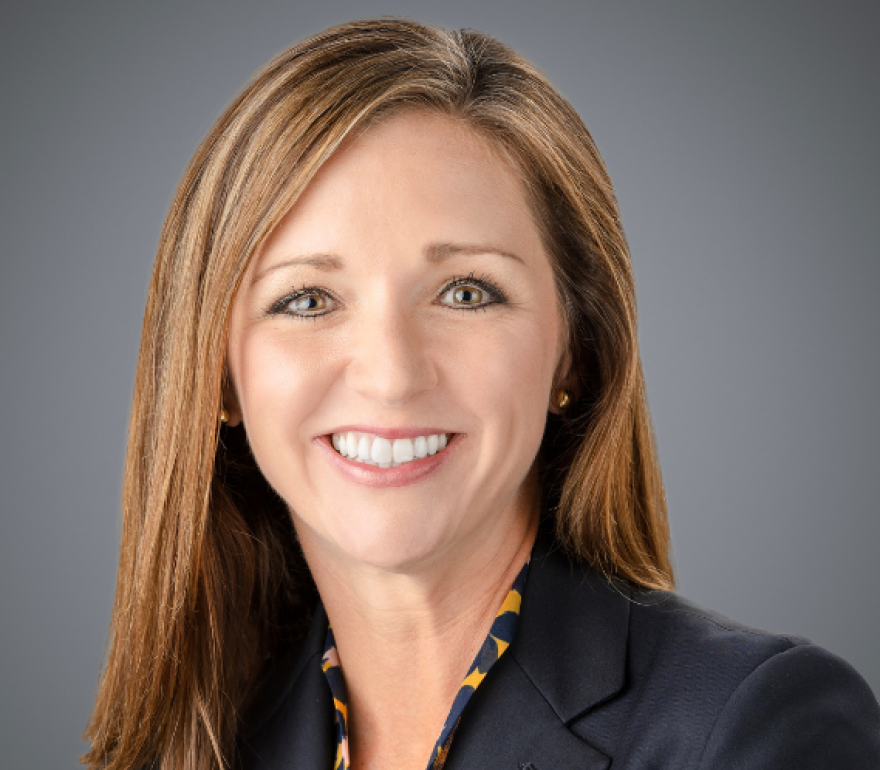
Welcome to Part 1 of our October 2026 Inspirational Interview with Catherine H. Johnson, LMFT, President & CEO of Alliance for HOPE International in the USA.
Catherine H. Johnson is a nationally recognised leader in collaborative, survivor-centred responses to family violence. She previously served for more than a decade as the founding director of the Guilford County Family Justice Center in North Carolina. Drawing on her experience as a clinician, system leader, and survivor, Catherine works to create communities where adults, children, and families can find safety, healing, justice, and lasting hope.
Part two of Catherine’s interview will be published 5 October, 2026.
All photos are courtesy of Alliance for HOPE International.
1. How and why did you join the movement to end violence against women (VAW)?
I often say the movement found me rather than I found the movement. While earning my master’s degree in marriage and family therapy, I began providing mental health services to victims of abuse across the lifespan, including children and older adults. I was fortunate to have an exceptional supervisor who taught me to enter difficult conversations, remain calm in moments of crisis, and advocate fiercely for survivors and their families.
Later, my own experience as a survivor deepened my understanding of how complicated it can be to seek safety and navigate fragmented systems. Those professional and personal experiences ultimately led me to help create the Guilford County Family Justice Center and now to lead Alliance for HOPE International. This movement has become both my life’s work and a deeply personal calling.
2. Could you tell us about how Alliance For HOPE International came to be founded and how it has developed over the years?
Alliance for HOPE International grew from the Family Justice Center movement launched in San Diego under the leadership of our founders, Casey Gwinn and Gael Strack. The first San Diego Family Justice Center opened in 2002, bringing public and nonprofit agencies together in one location so survivors would not have to navigate complex systems alone. Growing international demand for training and technical assistance led to the creation of the National Family Justice Center Alliance in 2006. As the work expanded to include strangulation prevention, survivor leadership, and Camp HOPE America, the organisation became Alliance for HOPE International in 2015. DomesticShelters.org later joined the Alliance in 2023. Today, our interconnected programmes advance safety, healing, justice, and hope for adult and child survivors across the United States and around the world.
3. What are some of the particular challenges that Alliance For HOPE International has faced and continues to face in your work to keep women safe from domestic violence?
One of our greatest challenges is that survivors still encounter fragmented systems. They may be asked to travel to multiple agencies, repeat traumatic experiences, and navigate services that do not communicate with one another. Rural access, sustainable funding, workforce burnout, rapidly changing technology, and persistent inequities create additional barriers. We must also balance compassionate, survivor-centred care with effective strategies for holding offenders accountable.
Family Justice Centers offer a powerful response by bringing multidisciplinary partners together around one coordinated pathway to safety. Many people seeking help at these centres face a high risk of serious or lethal violence, making timely collaboration essential. Our continuing challenge is to help communities move beyond temporary crisis intervention and create an invitation to long-term connection, healing, economic stability, and hope.
4. Over the years, what sort of impact has Alliance For HOPE International’s work had on stopping VAW across the U.S. and the world?
The Alliance has helped transform how communities respond to domestic violence and related forms of abuse. Through the Family Justice Center Alliance, we have trained more than 200,000 professionals and helped open more than one hundred Family Justice Centers. The broader movement now includes more than 150 centres in the United States and approximately 150 more across over 25 countries.
Our Training Institute on Strangulation Prevention helped elevate nonfatal strangulation as a major lethality warning sign and contributed to reforms that now include felony strangulation laws in every U.S. state. Camp HOPE America has built a national pathway to healing for children and teens impacted by family violence, while DomesticShelters.org connects millions of people with information and local services. Most importantly, we have helped shift systems from isolated responses toward coordinated, survivor-informed, hope-centred care.
5. One of Alliance For HOPE International’s programmes is the Training Institute on Strangulation Prevention which focuses on providing training and technical assistance to family violence professionals throughout the world on strangulation and suffocation crimes. Could you tell us about how this programme came to be created and how you plan to further develop this resource in the future?
The Training Institute on Strangulation Prevention was launched in 2011 in response to growing demand from communities seeking better ways to investigate, document, prosecute, and treat strangulation-related assaults. Our founders and multidisciplinary faculty recognised that these crimes were often minimised because victims might have few visible injuries, even though strangulation can cause serious medical consequences and is a critical warning sign for escalating violence.
The Institute now trains thousands of law enforcement officers, prosecutors, medical professionals, advocates, and other practitioners each year. In the future, we plan to deepen advanced and cross-disciplinary training, strengthen medical and investigative protocols, expand international partnerships, and translate emerging research into practice. We will also continue connecting strangulation prevention to our work on suspicious deaths and hidden homicides so missed warning signs can become opportunities to save lives.