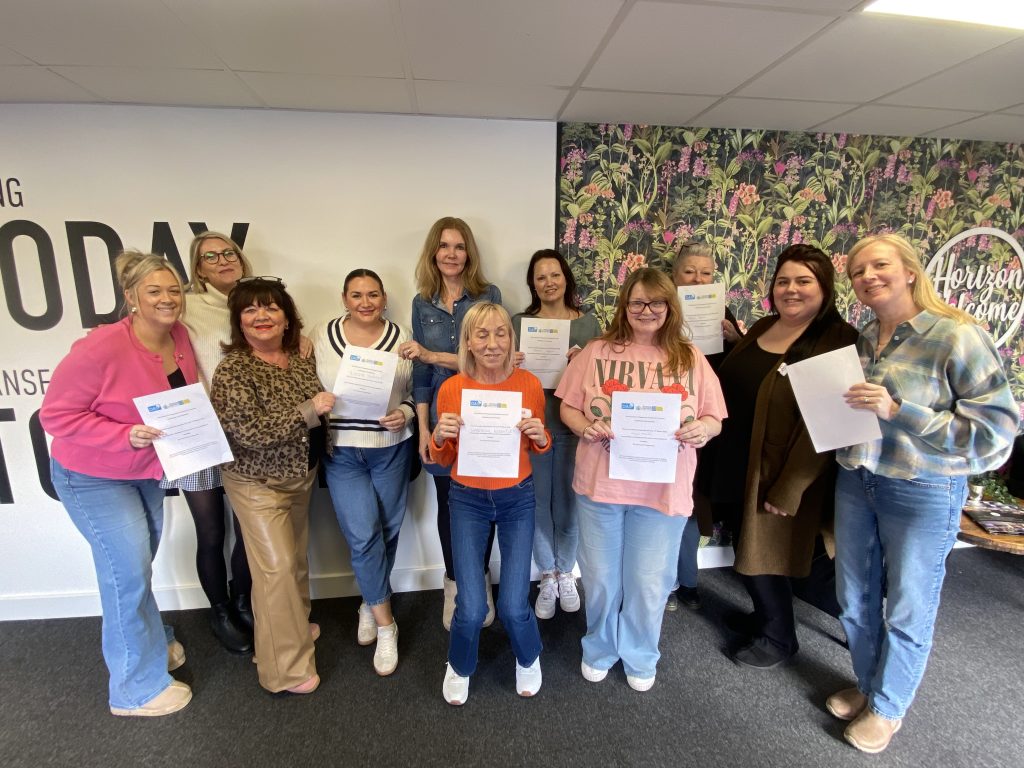
Welcome to Part 2 of our September 2026 Inspirational Interview with Sandra Reddish, Outreach Worker at Broxtowe Women’s Project in the UK.
Sandra Reddish was a police officer for 30 years and spent her final few years on the Homicide Unit. Collecting exhibits at domestic postmortems where all of the victims were women was a sobering experience that made her want to do more to support domestic abuse survivors. She finds purpose in writing books and training others, often writing about the more subtle types of abuse that are excused and minimised by survivors. As a trained coach, she uses her skills to challenge different ways of thinking and encourage recovery and personal growth in a trauma-informed way.
Part 1 of Sandra’s interview was published 6 September, 2026.
All pictures courtesy of Broxtowe Women’s Project.
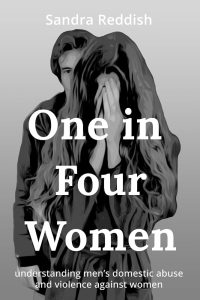 6. Aside from being an outreach worker at BWP, you have also published books about domestic violence including ONE IN FOUR WOMEN: UNDERSTANDING MEN’S DOMESTIC ABUSE OF WOMEN. Could you tell us about your books and why you decided to write them?
ONE IN FOUR WOMEN was written as the coursebook for the Survivors Programme. I became frustrated that we were still running an outdated group programme that I felt was no longer fit for purpose, so I wanted to create something more current, accessible and relevant.
BEYOND THE BREAK-UP focuses on post-separation abuse, which I saw repeatedly in the women I support. This abuse can continue for years, with victims often feeling powerless to stop it. The book explores the abuse but also focuses on changing the way survivors understand and respond to ongoing abuse, inspired by Viktor Frankl’s words: “When we are no longer able to change a situation, we are challenged to change ourselves.”
BEYOND SURVIVAL was written to recognise the remarkable personal growth that can emerge from surviving trauma. I wanted to move beyond the idea of survivors simply “recovering” and highlight post-traumatic growth — the strength, insight, confidence and renewed sense of self that can develop through the process of healing.
7. One of the keys to eradicating VAW is to get men and boys on board efforts to do so. What do you think are the most effective ways of galvanising men and boys to help to end VAW?
Treating women respectfully needs to be considered cool. I believe there is an urgent need to counter misogynistic role models like Andrew Tate and instead promote positive male role models who show that respect, kindness, and standing up against abuse are strengths, not weaknesses. Hugh Grant, for example, is a patron of Protection Against Stalking, and having more men such as him in visible positions could help inspire a culture change.
I also believe many boys and men feel confused, sidelined and disaffected and, without the right support, can develop dangerous views about women. We need to take this seriously and invest more in helping boys and men who feel excluded, while educating young people about healthy relationships, consent and respect. Men should feel they have an important role to play in challenging misogyny and making violence against women socially unacceptable.
8. Tell us about BWP’s plans for the future. What campaigns, programmes, or projects do you have coming up in the next 5 years?
My main focus at BWP is to develop a group course on post-traumatic growth, based on my book BEYOND SURVIVAL. I’m particularly excited about this because, as far as I’m aware, no other DA organisations specifically focus on this area. I believe this will enable us to offer survivors a more comprehensive package of support. The course will be delivered via Zoom, making it accessible to survivors wherever they are. I also hope to train others to deliver the course in the future.
BWP is also focused on further developing its training, so that we can share our expertise with other organisations and train others to facilitate our courses.
We are also rebranding as NOVA, hopefully early next year. This reflects the fact that we now support survivors beyond the Broxtowe Borough and are no longer limited to one geographical area. NOVA – No to Violence and Abuse.
9. How can The Pixel Project’s supporters engage with and support the efforts of BWP to stop VAW?
Pixel Project’s supporters who are also female survivors are welcome to join any of our online courses. Please see our website www.broxtowewp.org for more information, or email outreach@broxtowewp.org.
We have resources and blogs on our website that can be shared.
Any person or organisation wishing to access training or learn to facilitate our courses should contact enquiries@broxtowewp.org. Training is inexpensive and tailored to the specific needs of each organisation; the revenue from training helps us to run our core services.
Our course books can be found on Amazon – ONE IN FOUR WOMEN, BEYOND THE BREAK-UP and BEYOND SURVIVAL– by Sandra Reddish.
10. In your considered opinion, how can we end VAW for good?
Ending violence against women means addressing the conditions that allow abusive behaviour to develop, not just responding after harm has occurred. Early intervention matters. Investment in family support services, children’s centres, social care and youth provision can help create safer, healthier environments for children and young people.
Prevention also means challenging attitudes and behaviours that contribute to misogyny and abuse. Young people should receive education on healthy relationships, consent, respect, and recognising abusive behaviour.
As a society, we need to treat VAW with greater urgency. Perpetrators must face consistent consequences and be held accountable for their actions. Alongside this, everyone has a role in challenging sexism, misogyny, and attitudes that excuse or minimise violence against women whenever they encounter them.