Welcome to The Pixel Project’s Survivor Stories Blog Interview series. This campaign features interviews with survivors of any form of violence against women (VAW) perpetuated by men and/or patriarchal culture/system including domestic violence, rape, sexual assault, stalking, online violence against women, female genital mutilation, forced/child marriage, sex trafficking, breast ironing etc.
This campaign was created to provide:
- VAW survivors a platform to share their stories and solutions/ideas on how they rebuilt their lives and healed/are healing.
- Girls and women currently experiencing or who have survived VAW ideas, hope, and inspiration to escape the violence and know that there is light at the end of the tunnel and there is help out there.
We encourage you to check out our previous Survivor Stories, which include updated interviews from Survivor Stories alumnae. The addition of updated survivor stories is to acknowledge and show that healing and rebuilding after VAW is an ongoing effort, and that it is possible to survive and thrive post-violence.
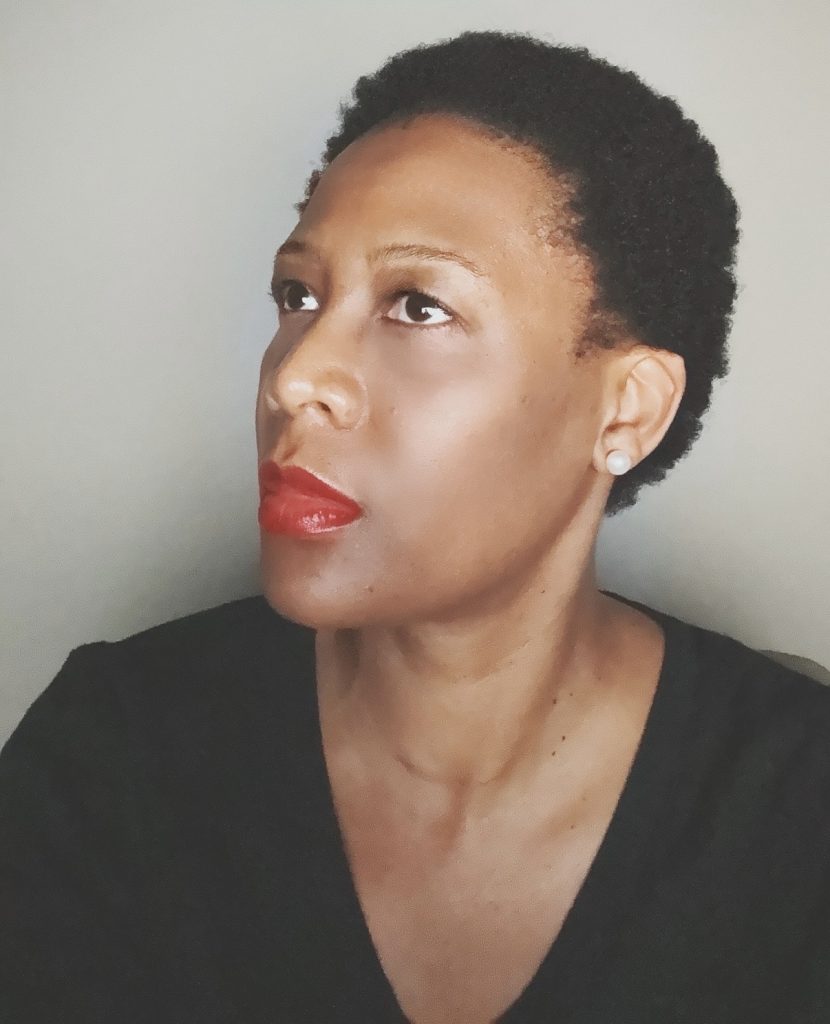
Our latest Survivor Stories interview is with TL Robinson from the USA.
The Survivor Bio:
TL Robinson is a Survivor, Author and Founder & CEO of GOTU (getontheup.com), an impact research and technology company that works to help end the global epidemic of sexual violence and empower people who have been victimised by sexual violence. She founded the company in 2020, after being victimised and realising the gap in critical information and support that victimised persons desperately need.
 1. What is your personal experience with gender-based violence (this may include domestic violence, rape, sexual assault, female genital mutilation etc)?
I was lured to a home, drugged, and raped by someone I’d known since I was single digit of age. He was my family and I trusted him beyond measure or question.
In 2018, a cousin asked me to help him with renovation and redecoration projects at his home. He claimed to want my expertise because he saw the finished results of like projects I’d done at my home a couple of years prior. So, I travelled halfway across the country to help out my family member.
Upon arrival, we started working on the house. I made note of the fact that he didn’t call any other family members to help him with such large projects. I found it weird because we had family that stayed in close proximity to his house and he needed more help. He didn’t like the fact that I brought this up nor did he like that I called out his slow pace of working. I questioned whether or not he was truly committed to completing the work. He continued to try and stall and I continued to push him to do more work.
Progress started to finally show after some days, despite his being obviously upset by my calling out that he wasn’t really doing any work. And, on my last night there, he spiked my drink and sexually assaulted me.
2. How did you escape the violent situation/relationship/ritual?
I gained consciousness late the next morning, feeling terribly sick and barely able to stand steady on my feet. I was having trouble breathing and had to lean on the wall in order to make my way to the restroom.
In the restroom, I noticed issues and pain with my body that I couldn’t explain. The only thing that I did know is that I couldn’t recall the rest of the evening after a certain point and my clothes weren’t how they were per my last memory. And, although I had no recall, I knew something was wrong.
I was able to collect my luggage and make my way out of the house. The Uber driver took me to a medical facility where I told the nurse and doctor what was going on with me. Based upon my symptoms and my inability to recall past a certain point, they shared their concern for me. This doctor visit started my journey of discovery into realising that I’d been sexually assaulted.
3. How did you heal and rebuild your life after the violent situation/relationship/ritual? What actions did you take?
My healing journey greatly consisted of my education on sexual violence and victimisation. I sought out other people who had been sexually victimised and organically built community to ease loneliness and learn. That community is the base for my company, GOTU.
Rebuilding my life is based solely in my belief that we have to recover from the violence, not just heal. We must accept the reality of having been harmed, live openly as victimised persons – unapologetically take up space, and proactively build the lives that we want for ourselves. This is what I did:
- let people know that I’ve been victimised
- hold firm boundaries for words and actions to ensure my safety
- remove people from life who don’t prioritise safety for themselves or others
- work in both advocacy and activism to better support victimised persons and create safer personal and institutional spaces
4. What would you suggest to or share with another woman or girl facing the same situation as you did?
- Understand that gender-based violence is about control, power and domination; there’s nothing that you did to make this happen to you. All of the blame sits with the people who cause the harm.
- Ensuring safety means building a community of friends and chosen family who don’t enable abusers – letting go of people isn’t always a bad thing.
- You’re not “broken” or “damaged goods” – you’re injured and need support to both heal and recover.
- It’s possible to have the life that you want for yourself, you just have to create it for yourself.
- Be patient with yourself as you grow into the new version of yourself – missteps aren’t failures.
5. How do you think we can end violence against women?
My belief is that ending violence starts with a solid understanding of what it is and what acts fall under the definition. Since a majority of violence is due to a person’s childhood socialisation, varying forms of violence are learned at an early age before the brain’s frontal lobe is even developed. It’s not until kids get older that they learn what they’re doing is wrong. By that time, the desire is to conceal the violent acts instead of stopping doing them.
I believe that ending violence begins with educating all kids on bodily autonomy, bodily agency, consent, managing their feelings (especially difficult ones like sadness, anger, etc.), how to use their voices to report harm, and requiring all parents, kids and teachers to take anti-violence classes each year.
The education would help to influence processes, laws, and programs that would create an overall safer society.
6. Why do you support The Pixel Project?
I support the Pixel Project’s grassroots effort to end violence against women for three main reasons:
- The organisation has a great understanding of the nuance of violence and works to generate change through inclusion, awareness, and education. It makes safety everyone’s responsibility, not just that of the (would be) victimised persons.
- It has tremendous skill in making people comfortable (with the uncomfortable topic of violence against women and kids) so that they are moved to become active upstanders.
- The largest contributing factor to my support is the fact that the organisation started in 2009 and, unlike many other organisations in this space, hasn’t sought fanfare nor catered to elites. It’s remained consistent with its base. And, as a survivor of sexual violence, consistency is very critical for me.