
Welcome to The Pixel Project’s Fathers for Pixels blog interview series!
We created this interview series:
- To acknowledge the vital role dads play in families, cultures and communities worldwide.
- To showcase men from different walks of life who are fabulous positive non-violent and non-sexist male role models.
- To provide dads worldwide a positive platform to share ideas about stopping sexism, misogyny, and violence against women and girls.
This year, participating dads talk about parenting in the age of online misogyny and violence against women and how fathers and father figures can teach, mentor, and guide their sons in navigating the influence of the “manosphere” among their peers and the rise of online “rape academies” where men congregate to learn how to rape and sexually assault women and girls.
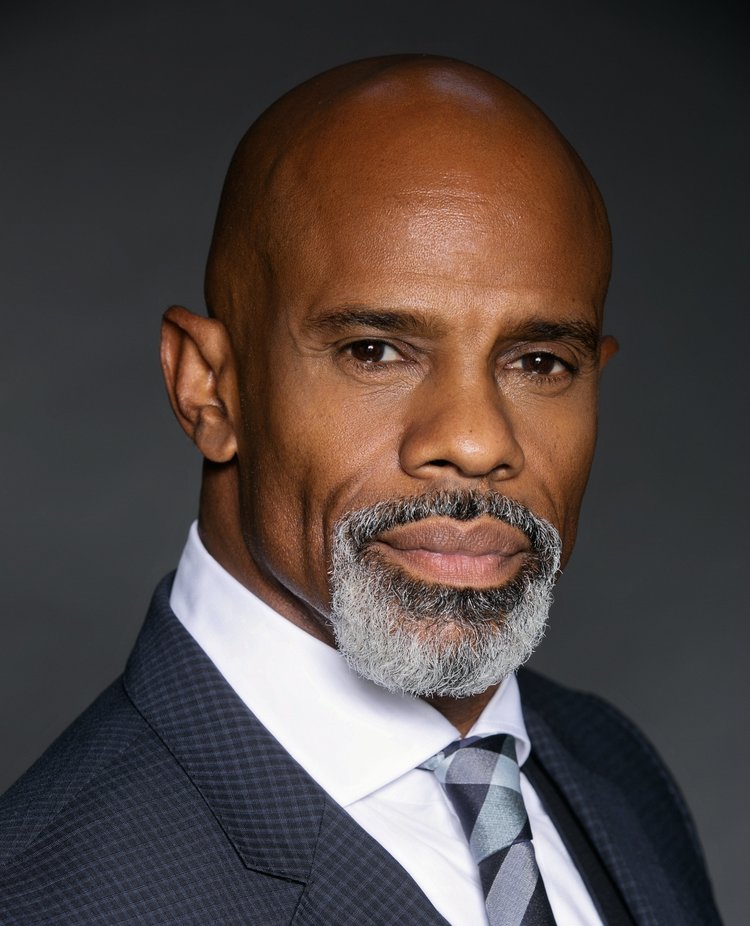
Our fourth Fathers for Pixels interview of 2026 is with Ted Bunch from the U.S.
Picture courtesy of Ted Bunch.
The Dad Bio:
Ted Bunch is a dad, an author, educator, activist, and internationally recognised speaker dedicated to advancing gender and racial justice and building a more equitable society. He is Co-founder of A Call to Men, where he works to promote healthy, respectful manhood and prevent violence against women and girls. Ted is a leading voice on manhood, male socialisation, healthy masculinity, diversity, equity and inclusion, and gender and racial equity.
 1. What is the most challenging thing about being a dad in the age of misogyny and violence against women that are now turbocharged by technology and the internet in the form of the “manosphere” and online “rape academies”?
The most challenging part of being a dad right now is that harmful messages about manhood are no longer on the margins — they’re everywhere. Boys are being flooded with content that confuses dominance with strength, cruelty with confidence, and disrespect with masculinity. Technology has made these messages constant, personal, and hard to escape. Many fathers are trying to compete with algorithms, influencers, and online communities that are shaping boys’ attitudes, beliefs and behaviours. The challenge is not just protecting our children from harmful content, but helping them build the emotional grounding, empathy, and critical thinking to reject it.
2. How do you think fathers and father figures can help young men and boys navigate pressure from their male peers to join these easily and widely accessible toxic male influencers, communities, and platforms?
Fathers and father figures have to stay connected before they try to correct. Young people are far more likely to listen when they feel seen, heard, and respected. We can’t shame boys out of harmful influences; we have to invite them into healthier definitions of manhood. That means talking openly about peer pressure, relationships, consent, loneliness, and identity. Boys need spaces where vulnerability is not treated as weakness.
Fathers should also model healthy manhood themselves; how we treat women, handle conflict, express emotions, and take accountability teaches more than any lecture ever will.
3. What do you think fathers can do to help their daughters stay safe both online and offline given the high levels of online violence against women facilitates offline violence against girls in schools and universities?
Fathers have to help daughters understand that online harm is real harm. We need ongoing conversations about boundaries, self-worth, manipulation, coercion, and digital safety without creating fear or shame.
At the same time, fathers must also examine how they are raising sons and other boys around them. Protecting girls cannot only be about teaching girls’ safety strategies; it must also include teaching boys respect, empathy, accountability, and consent. We all have a role in creating safer environments online, in schools, on campuses, and in our communities.
4. For fathers who don’t know where to start when it comes to guiding their children through this proliferation of misogyny, sexism, toxic masculinity, and violence against women online, what is the first step that you suggest they take?
The first step is simple but powerful: start the conversation. Don’t wait until there’s a crisis. Ask questions. Listen without judgment. Learn what your children are watching, following, and hearing online. Many parents feel overwhelmed because the culture is changing so quickly, but perfection is not required; presence is. Fathers should also do their own work around manhood and masculinity. We cannot guide young people through conversations we are unwilling to have ourselves. Curiosity, humility, and consistency matter more than having all the answers
5. Finally, what do you think can be done to eradicate these platforms and communities whose aims are to nurture and proliferate toxic masculinity, misogyny, and sexism proliferate among men and boys?
We have to stop treating these platforms as harmless entertainment or “boys being boys.” This is a public health and cultural issue. Tech companies must be held accountable for amplifying harmful content that promotes violence, misogyny, and exploitation. Schools, parents, community organisations, faith leaders, and media all have a role to play in creating healthier narratives about manhood. But we also need to offer boys something better to belong to. Young men are searching for identity, purpose, and connection. If we don’t provide healthy pathways, harmful spaces will continue to fill that void.