
Violence against women (VAW) is one of the world’s most widespread human rights violations which affects every country, culture, and community. According to UN Women, an estimated one in three women worldwide — around 840 million women aged 15 and older — have experienced physical and/or sexual violence by an intimate partner, non-partner, or both during their lifetime. And as feminist and women’s rights movements made strides over the 20th and 21st centuries to push back against misogyny, sexism, and the patriarchy, an increasing number of countries have sought to address various forms of VAW through the introduction and implementation of laws and legislation targeting this blight on society.
However, anti-VAW legislation has proven to be notoriously difficult to pass in many countries due to opposition by conservative and misogynistic lawmakers. Laws affecting women have historically been among the slowest to evolve and as recently as 2020, women held just three-quarters of the rights of men. With the lives and health of half the world’s population at chronic risk from VAW, it is imperative that societies must not only deepen their understanding of gender inequality and the many ways gender-based violence manifests but also take action through the legal system to address emerging new forms of VAW, the misogynistic cultural norms that harm women that are finally recognised, and survivors’ experiences continue to expose gaps that existing laws were never designed to address.
The 16 laws and legislative reforms featured in this article are some of the latest examples of that evolution. Some strengthen existing protections while others introduce entirely new legal frameworks to address forms of violence that were previously overlooked or inadequately addressed. Each represents years of research, advocacy, survivor testimony, and public debate. Each reflects the unique needs, values, and challenges of the countries that created them.
No single law or legislative reform can end violence against women on its own. However, thoughtful, evidence-based legislation can help shift attitudes and improve access to justice and protections for survivors. We hope these examples inspire countries everywhere to start creating stronger, more effective laws to combat and end violence against women worldwide
It’s time to stop violence against women. Together.
Introduction by Anushia Kandasivam and Regina Yau. Written by Anushia Kandasivam. Research by Anushia Kandasivam and Regina Yau.
Inspired to support The Pixel Project’s anti-violence against women work? Make a donation to us today OR buy our 1st poetry collection, Under Her Eye. All donations and net proceeds from book sales go towards supporting our campaigns, programmes, and initiatives.
Anti-VAW Law #1: Women’s (Amendment) Act 2015 – The Gambia
The Gambia’s 2015 revision to its laws through the Women’s (Amendment) Act criminalised and totally banned female genital mutilation (FGM) in the country. One of the first laws of its kind in Africa, this controversial law was pushed through Parliament after the the president at the time, Yahya Jammeh, described the practice of FGM as “outdated and unIslamic” and threatened religious and traditional leaders for challenging his amendment to the original Act. A major repeal effort was launched in 2024, emerging from a combination of religious, cultural, and political factions. Muslim clerics, who hold much sway in the conservative country, backed the effort. After a historic parliamentary vote, the bill was decisively rejected. Following this vote, women’s rights groups have continued to call for the government to do more to improve the lives of women and girls in the country, with ActionAid Gambia calling for “politicians to redouble their efforts in ending this form of violence against women and girls for ever.”
Anti-VAW Law #2: Reparation Law for Victims of Femicide – Chile
Chile’s Reparation Law for Victims of Femicide, enacted in 2023, establishes a protection regime with direct benefits for the families of victims of femicide, including an allowance for the children of murdered women and employment protection to survivors of attempted or frustrated femicides. One of the most comprehensive legal measures in Latin America to support relatives, the law sets an important precedent in a region with some of the highest femicide rates in the world. The law means to lend support to children whose mothers have been killed by partners, leaving the child without a mother and a violent father in prison. Former Minister of Women and Gender Equity, Antonia Orellana, said that the law’s aim is to go further than just providing financial aid and to recognise violence as a structural problem; its core focus is to protect children’s wellbeing and to break the cycle of violence, which can see children of aggressors turn into violent adults.
Anti-VAW Law #3: Law No. 1639 Bans Child Marriage – Bolivia
In 2025, Bolivia banned child marriage without exceptions through Law No. 1639, making it illegal for anyone under 18 years old to marry for any reason, even if parents agree to the union. The new law amends the previous law (no. 603), eliminating exceptions that previously allowed marriage and early unions from the age of 16. Research showed that these exceptions — mostly through parental or judicial authorisation — had exposed thousands of girls to marriages or unions that were often the result of adolescent pregnancies or that led to school dropout and situations of violence and exploitation. The passing of the bill indicates rapid cultural change in Bolivia — just 10 years previously, the same bill flopped. Virginia Velasco, one of the senators who wrote the bill, said that although there are some who want to hold on to the status quo, citing customs and culture, “[c]hild marriage isn’t culture. And customs are not above fundamental human rights.”
Anti-VAW Law #4: Revision of Act on Promotion of Gender Equality in the Political Field – Japan
Japan revised its law on gender equality in politics in 2021 to address issues that create major barriers to women aspiring to run for office in the country. The revised law includes provisions designed to prevent sexual and maternity harassment against candidates and members of the Diet and local assemblies and requires the national and local governments to provide awareness and counselling programmes to tackle the pervasive problem of harassment against women. A survey conducted by the Cabinet Office in 2021 showed that about 60% of women had experienced some form of harassment, from physical and cyber stalking to unwanted sexual advances. Mari Hamada, the head of Stand By Women, a Tokyo-based organisation that supports female legislators and assembly members who have experienced sexual harassment, said that while female lawmakers do not have a strong foundation of support, in recent years, more and more people have been speaking up about their experiences.
Anti-VAW Law #5: Revisions to the Victims’ Code Recognise Children of Rape as Victims – United Kingdom
The United Kingdom (UK)’s Code of Practice for Victims of Crime in England and Wales, first enacted in 2006, underwent a significant revision in 2023 to recognise children born as a result of rape as vicitms in their own right. The revision entitles people who believe they were born as a result of rape to make a complaint to police and receive information and access support in the same way as any other victim of crime in the UK. This landmark law came after extensive campaigning from adult children born of rape who were seeking justice for their mothers and themselves, and means to address the needs of victims who are rarely heard and increase the accountability of agencies that provide services to them.
Anti-VAW Law #6: Revised Sexual Offences Act Broadened to Include Street Harassment – The Netherlands
The Netherlands’ Sexual Offences Act was given a broad revision in 2024 to make sexual harassment in public a criminal offence. This covers harassment on the street as well as on public websites and social media. The new legislation makes sexually transgressive behaviour sanctionable both offline and online. A survey conducted in 2021 by the Dutch national statistics agency found that 67% of women between the ages of 12 and 25 said they had experienced street harassment in the past year. Despite this and the new legislation, there were initial concerns that the law would be nearly impossible to enforce. To combat this, a pilot project was launched where undercover teams roamed the streets of Rotterdam and other cities to look out for harassment. Several cases have been brought to court since the law took effect and the undercover team has provided evidence that has led to at least one conviction.
Anti-VAW Law #7: The Paola Buenrostro Law – Mexico
After years of campaigning by rights groups, Mexico City passed a law in 2024 to make transfemicide a crime in its own right with a prison sentence of up to 70 years. The law is named after trans sex worker Paola Buenrostro who was killed by a client in 2016. Despite video footage and witness testimonies, the court ruled there was insufficient evidence to hold the accused and released the perpetrator. The law, described as a “watershed” moment in one of Latin America’s most dangerous countries for trans people, also makes it possible not only for a victim’s family but also their friends to be involved in the processes of identifying and claiming bodies and driving investigations, which is important in a country where some families disown transgender relatives. The law also mandates that the attorney general’s office produce statistics and quarterly reports on crimes against people in the LGBTQ+ community, seeking to address previous negligence by the authorities and impunity of perpetrators. Activist Kenya Cuevas, friend to Buenrostro and witness to her murder, said: “For the first time, we can feel represented before the law, and that violence against us really carries a severe punishment”.
Anti-VAW Law #8: Law No. 33/2025 on Obstetric Violence – Portugal
Portuguese Law No. 33/2025 established the legal recognition of obstetric violence in the country, marking the first time it was defined within a national legal framework in the European Union. The law introduced specific measures for the prevention and eradication of disrespectful practices and dehumanising treatment in the context of childbirth and reproductive health, following years of activism from women and civil society groups. The law also mandates the integration of content on obstetric violence in sex education programmes and in the technical and ethical training of health professionals. The law marks an important turning point in recognising obstetric violence as a distinct form of violence in the EU, and lays the groundwork for continued progress across the region in preventing this specific form of VAW.
Anti-VAW Law #9: Consent-based Rape Reform to the Penal Code – France
In 2025, after years of activism and parliamentary debate, France finally amended its Penal Code to add consent to the legal definition of sexual assault and rape. The conversation around consent came to a head in 2024 during the Pelicot rape trial, during which many of the accused argued they could not be guilty of rape because they were unaware that Ms Pelicot was not in a position to give her consent. The new law states that consent must be “free and informed, specific, prior, and revocable” and cannot be inferred from “silence or lack of reaction.” Amnesty International France stated that while the law is a historic step forward, there is still a long way to go to end impunity for gender-based and sexual violence. Women’s rights groups have called for the reform to be accompanied by improved sex education, training for justice and police officials, and increased resources for support groups.
Anti-VAW Law #10: The Domestic Abuse Act 2021 – United Kingdom
The UK parliament passed the Domestic Abuse Bill in 2021, not only putting common law into legislation but also widening the legal definition of domestic abuse and mandating new protections and support for victims. The law created new offences, such as non-fatal strangulation, and extended definitions of offences to cover the threat to disclose intimate images. It also gave new powers to the police to provide Domestic Abuse Protection Notices to provide victims with immediate protection from abusers, and to courts to hand out new Domestic Abuse Protection Orders to force perpetrators to take steps to change their behaviour, including seeking mental health support or drug and alcohol rehabilitation. While the legislation brought a lot of positive changes, rights groups say that there are still limitations to the system, especially lack of funding and resources, that hinder survivors’ access to support.
Anti-VAW Law #11: Stalking made a Criminal Offence under Section 507A of the Penal Code – Malaysia
In 2023, Malaysia amended its penal code to introduce a new offence of stalking under Section 507A, making stalking, both physical and technology-facilitated, a criminal offence. Long sought by women’s rights advocates, the law recognises stalking as a serious standalone offence rather than a nuisance as it had been traditionally seen. It allows intervention before violence escalates, bringing Malaysia closer to international best practices on VAW. Malaysia’s Women’s Aid Organisation applauded the criminalisation of stalking but called for the government to provide adequate training and resources to police officers, social welfare officers, prosecutors, the judiciary and other frontliners, and conduct nationwide publicity campaigns to ensure victims/survivors know their rights.
Anti-VAW Law #12: The “Only Yes is Yes” Law – Spain
Spain passed the Ley del solo sí es sí (Only Yes is Yes law) in 2022 which requires a defendant to prove sexual consent. It also merged the definitions of sexual abuse and sexual assault, eliminating the need for victims to prove violence or intimidation. Additionally, the law elevated street harassment from a misdemeanour to a crime and classed female genital mutilation and forced marriage as crimes of gender-based violence. The bill’s catalyst was the 2016 “wolf pack” gang rape of an 18-year-old woman at a festival and the controversial sentencing of the perpetrators along with other gang rapes that called into question the law’s definition of consent. Despite initial roadbumps in implementation, activist groups welcomed the new law. Spain’s equality minister at the time, Irene Montero, said: “From now on no woman will have to prove that violence or intimidation was used for it to be recognised for what it is.”
Anti-VAW Law #13: Assembly Bill 453 Makes Stealthing a Sexual Offence – United States of America
In 2021, California became the first state in the USA to make “stealthing,” the nonconsensual removal of a condom during sex, a civil sexual battery offence. Although stealthing is not recognised as a crime, the law allows people who experience it to sue the perpetrators directly in civil court. State Assembly member Cristina Garcia wrote the bill after reading law student Alexandra Brodsky’s law journal article on the topic and said that she hopes the new law leads to others like it, and a more nuanced understanding of the many different kinds of sexual violence. As of 2026, only two other U.S. states — Maine and Washington — have enacted similar laws.
Anti-VAW Law #14: The Prohibition of Child Marriage Act 2024 – Sierra Leone
Sierra Leone, which has one of the highest incidences of child marriage in the world, passed The Prohibition of Child Marriage Act in 2024, making 18 years the minimum legal age for marriage. Previously, the country’s Child Rights Act 2007 had set the minimum legal age of marriage at 18 years but this was contradicted by the Customary Marriage and Divorce Act 2009 that allowed underage children to be married off with parental consent. The new legislation syncs these laws and also provides for penalties on offenders who consent to, facilitate, promote, attend, or officiate child marriages. Amnesty International Regional Director for West and Central Africa Samira Daoud said that the historic law represents a major step forward in the fight against gender-based violence as it seeks to protect girls from a deeply harmful practice that has long violated their rights and hindered their education, health, and well-being.
Anti-VAW Law #15: Penal Code Reforms Eliminate Leniency for “Honour” Crimes – Jordan
In 2017, Jordan closed a loophole in the country’s penal code that allowed judges to impose light sentences for so-called “honour crimes.” The law had previously cited “severe anger” as a mitigating circumstance for men who kill female relatives in the name of “family honour.” The reform comes after years of activism in Jordan, where “honour” killings are treated more leniently than other types of murders. The revision also provided a statutory reinforcement to the fatwa issued by Jordan’s Iftaa department (which issues religious edicts) the previous December that declared “honour” killings contrary to Sharia law and one of society’s most heinous crimes. Activist Asma Khader praised the decision as a “big step forward” for women in socially conservative Jordan but human rights groups are still calling for other similar loopholes in Jordan’s laws to be closed to better protect women from gender-based violence.
Anti-VAW Law #16: Revision of the Law on the Protection of Women’s Rights and Interests – China
In 2022, China made major revisions to its Law on the Protection of Women’s Rights and Interests (ratified in 1992) to strengthen protections for women across multiple areas, including: basic equality across education, employment and political rights; personal safety and anti-trafficking measures; and the prohibition of non-medically necessary fetal sex identification and sex-selective artificial termination of pregnancy. The revision came after enormous public outcry on social media over several shocking bride trafficking cases, a serious problem in China where the old one-child policy population control programme and resulting high female infanticide and sex-elective abortions have led to a wide gender imbalance in the population. Since the public uproar and the law’s revision, the government also launched a campaign to stem the trafficking of women and children.
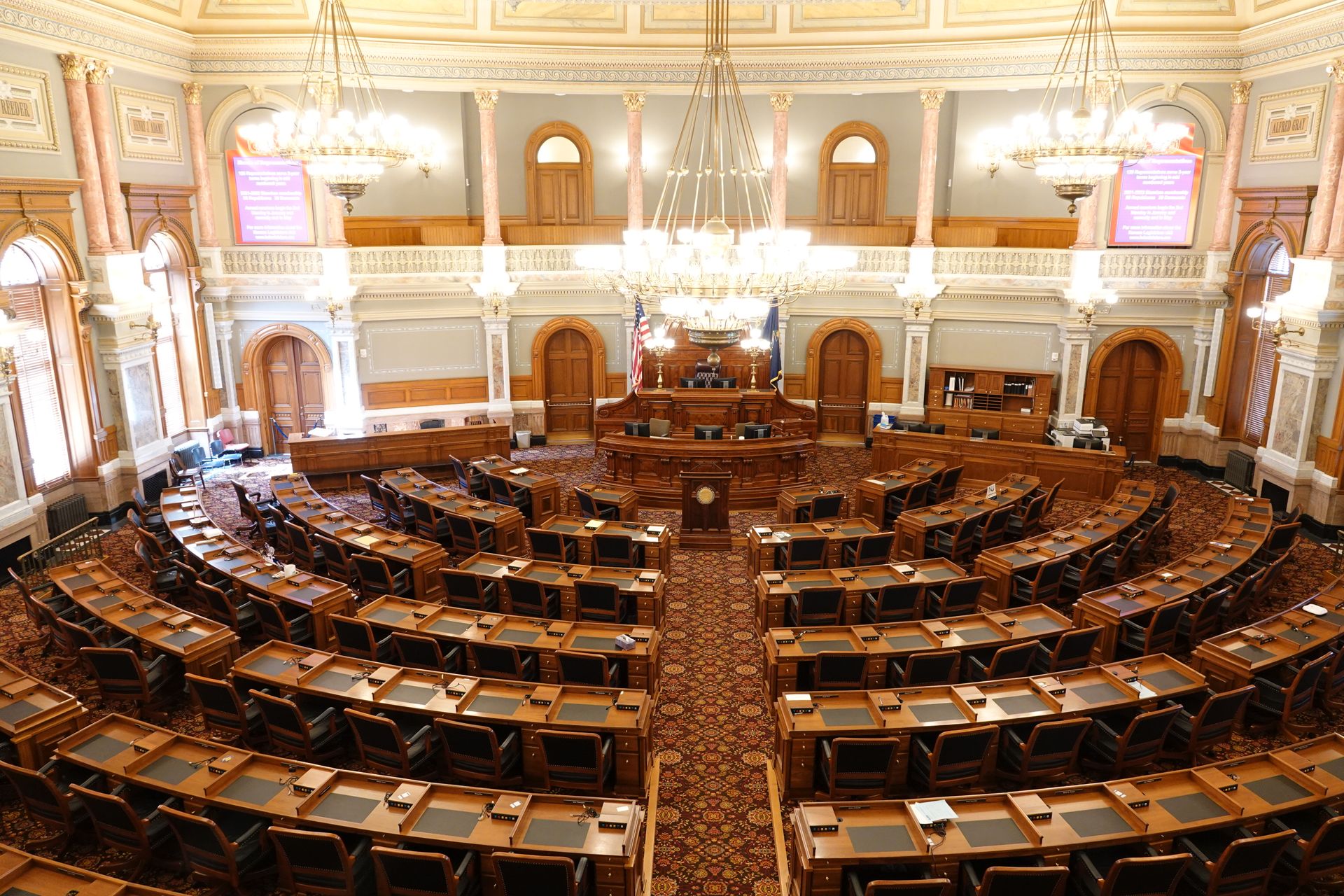
The picture used is a Creative Commons image:
● Photo by Laura Musikanski from Pexels.